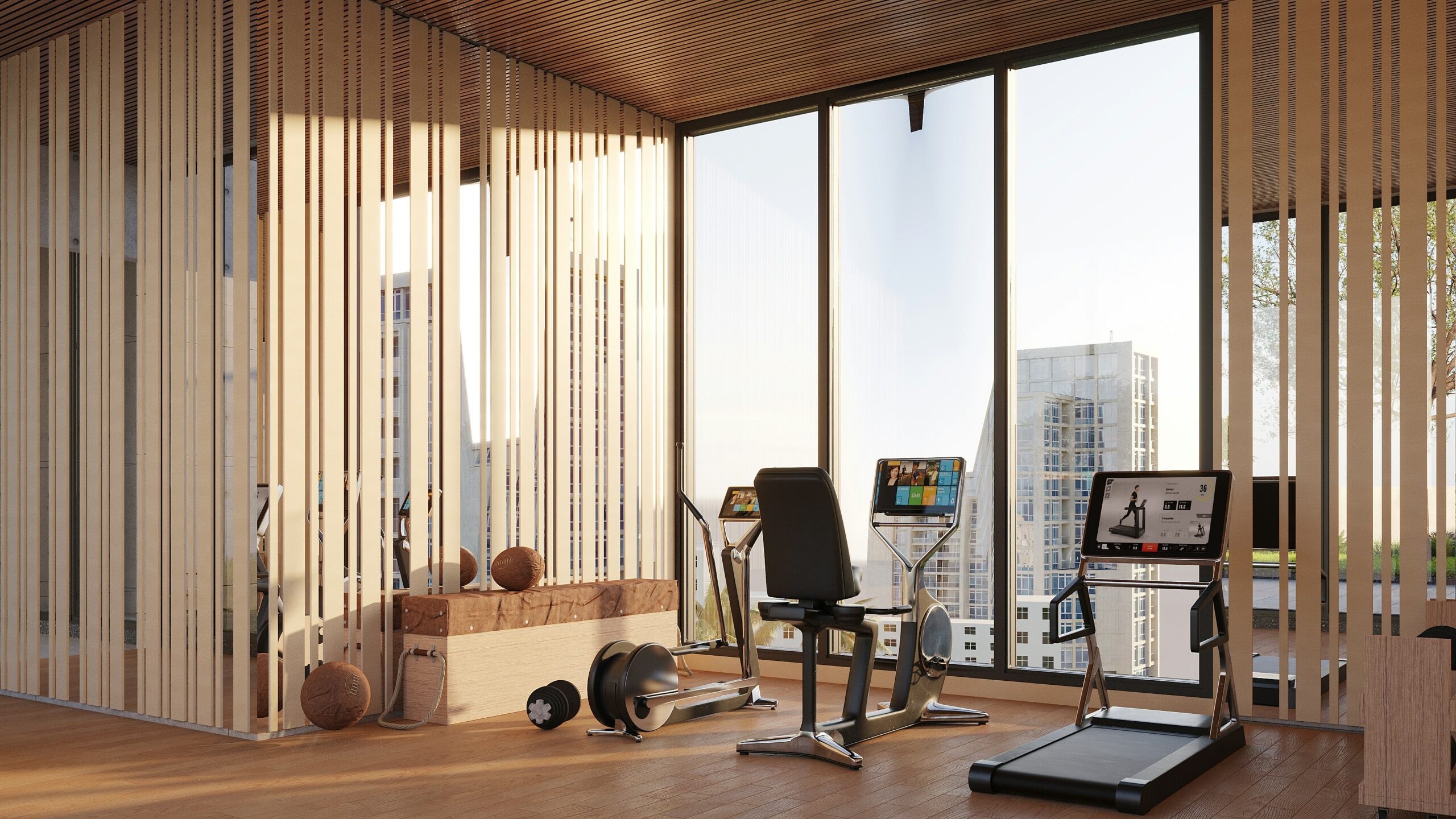
A well-planned home gym gives sports enthusiasts the freedom to train whenever they want. You can improve strength, endurance, flexibility, speed, and recovery without traveling to a fitness center. However, a useful home gym needs more than random workout equipment. Each item should support a clear training purpose and fit within the available space. The best fitness equipment for a home gym should also allow you to perform a wide range of exercises without making the room feel crowded. By choosing equipment carefully, you can create a balanced training space that supports athletic performance while making daily workouts more convenient.
Start With a Strong and Practical Training Foundation
A quality exercise mat is one of the simplest additions to a home gym. It creates a comfortable surface for stretching, mobility drills, core exercises, and bodyweight workouts. A mat can also protect flooring from sweat and daily wear. Choose one that offers enough padding without feeling too soft. A stable surface makes many exercises easier to control, especially when you perform planks, pushups, floor presses, and recovery movements.
Good flooring also deserves attention when building a serious workout area. Rubber flooring or durable gym tiles can protect the floor beneath heavy fitness equipment. They also provide better grip during strength or movement exercises. In addition, proper flooring can reduce noise when weights touch the ground. This feature becomes especially helpful when your home gym sits near living spaces. A solid training surface makes the entire room feel safer and more professional.
Build Full Body Strength With Adjustable Dumbbells
Dumbbells are among the most useful pieces of equipment for almost any home gym. They support exercises for the chest, shoulders, arms, back, legs, and core. Sports enthusiasts can use them for simple strength exercises or more demanding athletic movements. Adjustable dumbbells work especially well in smaller spaces because one set can replace several pairs of traditional weights. They also make it easy to increase resistance as your strength improves.
Dumbbells give you more freedom of movement than many large exercise machines. You can perform presses, rows, squats, lunges, curls, raises, and loaded carries. They also allow each side of the body to work independently, which can help create more balanced training. For people building a complete home gym, dumbbells offer a strong combination of flexibility, convenience, and long-term usefulness. A quality set can support years of changing fitness goals.
Add a Weight Bench for Greater Exercise Variety
A sturdy weight bench can greatly expand the number of exercises you perform at home. You can use it for dumbbell presses, step-ups, seated shoulder exercises, split squats, and supported rows. An adjustable bench offers even more options by letting you adjust the backrest angle. Flat, incline, and upright positions allow different movements while keeping your body properly supported.
Safety and stability matter when choosing a bench. Look for a strong frame, comfortable padding, and secure adjustment settings. The bench should remain stable when you move weights or change positions. It should also fit comfortably within your available training area. If space is limited, a foldable bench may offer a practical solution. When paired with dumbbells, a dependable bench forms the center of a highly versatile strength-training setup.
Use Resistance Bands for Strength and Mobility Training
Resistance bands may look simple, but they can support a wide range of workouts. They work well for warmups, mobility routines, rehabilitation exercises, strength training, and athletic movement drills. Bands come in several resistance levels, allowing you to adjust the difficulty for each exercise. They also take up very little room, which makes them valuable for home gyms where storage space matters.
Sports enthusiasts can use resistance bands for rows, presses, lateral walks, shoulder exercises, and lower body movements. They are also useful for activating muscles before heavier training. Because the resistance changes as the band stretches, movements can feel different from traditional weight exercises. Adding bands beside your home gym strength equipment gives you another way to challenge your muscles while keeping workouts fresh and varied.
Choose Cardio Equipment That Matches Your Training Style
Cardiovascular training plays an important role in a complete fitness routine. The best machine depends on your available space, budget, and preferred type of exercise. A treadmill works well for people who enjoy walking, running, or interval training. An exercise bike offers a lower-impact option while still providing challenging workouts. Rowing machines can train the upper and lower body together while improving cardiovascular endurance.
You do not need several large cardio machines to create an effective home gym. One well-chosen machine can provide enough variety by changing speed, resistance, duration, or workout structure. Consider how often you will use the equipment before making a purchase. A compact bike may offer more value than a large treadmill if cycling better fits your training style. Equipment is worthwhile when it supports workouts you genuinely enjoy.
Develop Athletic Power With Kettlebells
Kettlebells can bring a more dynamic style of strength training into a home gym. Their shape makes them useful for exercises that combine strength, balance, coordination, and power. Common movements include kettlebell swings, goblet squats, presses, carries, and deadlifts. Many of these exercises engage multiple muscle groups simultaneously, making kettlebells useful for efficient full-body sessions.
Beginners should start with movements they can control before attempting faster exercises. Good technique matters because kettlebell workouts often involve larger ranges of motion. Adjustable kettlebells can save space if you want several resistance levels without storing many separate weights. For sports enthusiasts interested in explosive movement and conditioning, kettlebells can add a valuable new dimension to traditional strength workouts.
Improve Core Strength With Simple Training Tools
Core training supports nearly every athletic activity. A strong core helps connect upper- and lower-body movements while improving control during exercise. You do not need a complicated machine to train this area. An exercise ball can support crunches, bridges, stability exercises, and stretching. Ab wheels and sliders also provide demanding core workouts while taking up almost no storage space.
Core training should involve more than repeatedly bending the stomach muscles. Exercises that require you to resist unwanted movement can also be valuable. Planks, loaded carries, controlled rotations, and stability exercises can challenge the entire middle section of the body. When choosing fitness equipment for sports enthusiasts, small core tools can offer excellent value by supporting a variety of training styles without taking up much space.
Include a Pull-Up Bar for Upper Body Training
A pull-up bar offers a simple way to strengthen the back, shoulders, arms, and core. Depending on the design, you can mount one on a wall, a doorway, or a dedicated rack. Pull-ups and chin-ups remain challenging even for experienced athletes, and you can adjust the difficulty by using assistance bands or adding resistance. This makes the exercise useful for people of several fitness levels.
A secure installation is essential because the bar must support your full body weight. Always follow the manufacturer’s installation requirements and check the equipment regularly. If standard pull-ups feel too difficult, resistance bands can assist while you build strength. Over time, you can reduce the assistance and perform more repetitions independently. A good pull-up station offers significant training value without requiring a large footprint.
Make Room for Functional and Speed Training
Sports performance often involves quick movement, balance, coordination, and changes of direction. Therefore, a complete home gym should leave enough open space for movement-based exercises. Agility ladders, cones, jump ropes, and small hurdles can support speed and coordination drills. These tools are inexpensive, easy to store, and useful for athletes seeking training beyond traditional strength exercises.
A jump rope deserves special attention because it combines conditioning, rhythm, coordination, and foot speed. Short jump rope sessions can add intensity without requiring a large machine. Meanwhile, cones and ladders can create several movement patterns indoors or outdoors. Functional equipment works best when you have enough clear space to move safely. Keeping part of the gym open can be just as important as filling it with equipment.
Support Recovery With Mobility Equipment
Training creates stress on the body, so recovery should be part of every home fitness setup. Foam rollers and massage balls can help you perform simple self-massage and mobility routines after workouts. Stretching straps can also make certain flexibility exercises more comfortable. These tools are small, affordable, and easy to keep near your main workout area.
Recovery equipment should support healthy habits rather than replace proper rest. Sleep, balanced nutrition, hydration, and reasonable training volume remain important parts of athletic recovery. However, mobility tools can make warm-ups and cool-downs easier to incorporate into your routine. Keeping recovery equipment visible may also encourage you to spend a few minutes stretching instead of immediately ending your workout.
Create a Safe and Organized Workout Space
Organization improves both safety and convenience in a home gym. Weight racks, storage shelves, and wall hooks can keep dumbbells, bands, mats, and accessories away from walking areas. When equipment has a clear storage location, you spend less time preparing for workouts. A clean floor also lowers the chance of stepping on loose equipment while moving between exercises.
Leave enough space around benches, cardio machines, and weight-training areas. Good lighting and ventilation can also make the room more comfortable during hard workouts. A mirror may help you observe your position during certain exercises, although it should not become your only guide for technique. A well-organized environment makes training easier to maintain because the space feels ready whenever you decide to exercise.
Build Your Home Gym Around Long-Term Goals
A complete home gym does not need to contain every popular fitness product. Start with equipment that supports your current goals and training habits. Dumbbells, resistance bands, a bench, and a cardio option can create a strong foundation for most people. You can then add specialized equipment as your routine develops. This approach keeps costs under control while preventing unnecessary items from filling the room.
The right home gym should make consistent training easier, not more complicated. Choose equipment that provides several exercise options and fits comfortably within your available space. Most importantly, focus on tools you expect to use regularly. With thoughtful planning, a complete home gym for sports enthusiasts can support strength, endurance, mobility, athletic performance, and recovery for years while offering the convenience of training at home.