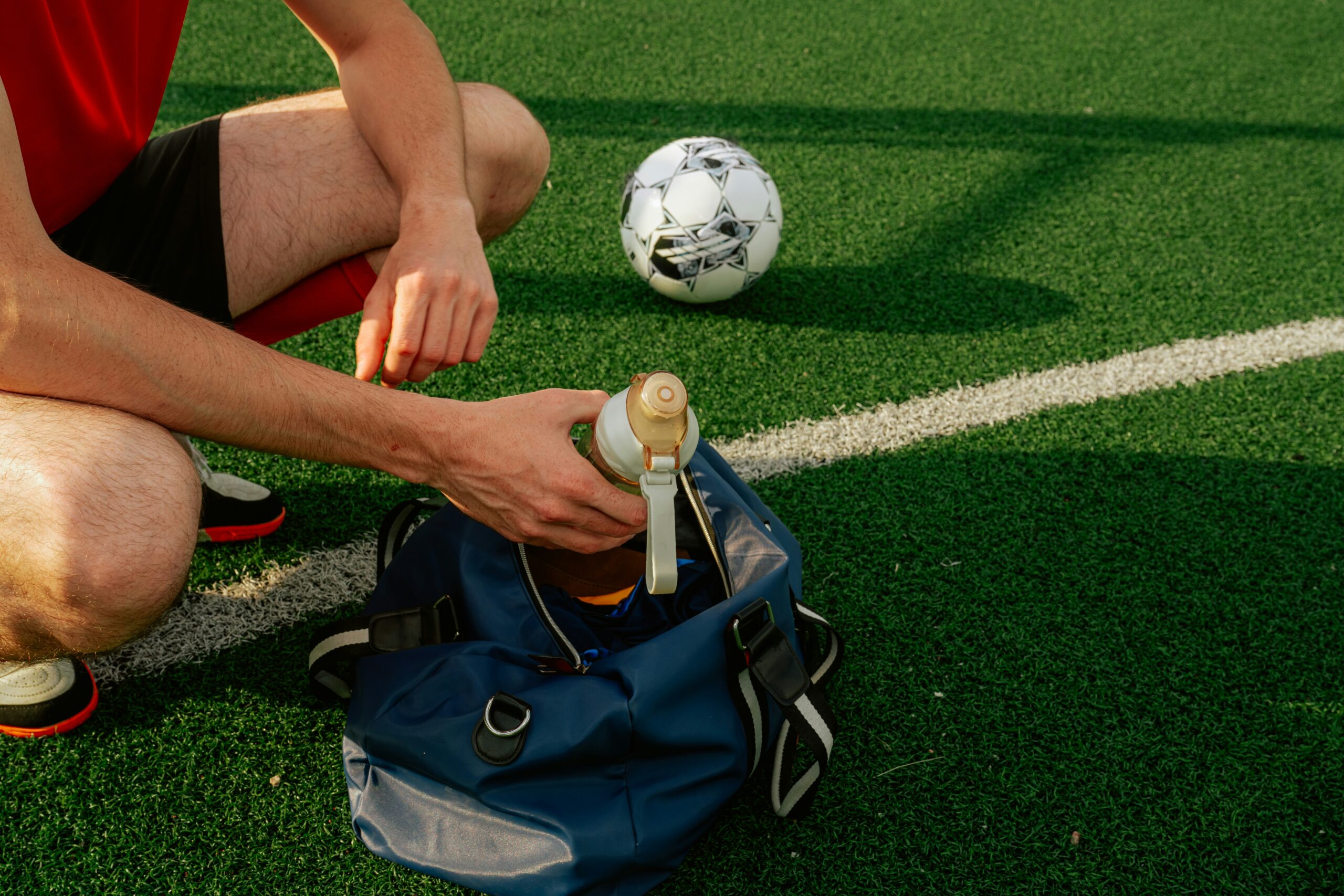
Whether you play sports for fun, train every day, or compete in organized events, your gear bag plays a major role in your performance and comfort. A well-packed bag keeps everything organized and ensures you have the tools you need before, during, and after every workout or game. Instead of scrambling for forgotten items, you can focus entirely on improving your skills.
Every athlete has different needs, yet some essentials belong in every gear bag. From hydration supplies to recovery equipment, these items help you stay prepared for changing conditions and unexpected situations. Building a complete gear bag also saves time and reduces stress, especially when traveling to practices or competitions.
Choose the Right Gear Bag
The first step is selecting a durable gear bag that fits your sport and lifestyle. Look for a bag with multiple compartments so shoes, clothing, and accessories stay organized. Separate sections for wet items and valuables also help keep everything clean and easy to find.
Comfort matters as much as storage. Adjustable shoulder straps, padded handles, and lightweight materials make carrying heavy equipment much easier. A strong zipper and water-resistant fabric also protect your belongings throughout the season.
Pack Reliable Water Bottles
Proper hydration supports energy, endurance, and concentration during every activity. A reusable water bottle should always be one of the first items packed before leaving home. Insulated bottles keep water cool for longer periods, especially during outdoor practices.
Refilling your bottle throughout the day also reduces waste and helps maintain consistent hydration. Many athletes choose bottles with measurement markings because they make it easier to monitor daily water intake during training.
Include Extra Athletic Clothing
Fresh clothing can make a big difference after an intense workout. Pack an extra shirt, socks, and shorts to stay comfortable once your session ends. Dry clothes also reduce the risk of skin irritation caused by sweat-soaked fabrics.
Weather conditions can change quickly, so keeping lightweight layers inside your gear bag is a smart decision. A long-sleeved shirt or light jacket provides additional warmth during early-morning or evening training sessions.
Keep Quality Athletic Shoes
Your shoes deserve their own space inside the gear bag. Proper footwear supports movement, stability, and injury prevention across different sports. Carrying them in a separate compartment helps prevent dirt from spreading onto clothing and accessories.
If your activity requires specialized footwear, such as cleats, court shoes, or running shoes, inspect them regularly for wear. Replacing worn footwear at the right time helps maintain comfort and performance.
Bring Protective Equipment
Safety should always come first. Depending on your sport, protective equipment may include mouthguards, knee pads, elbow pads, wrist guards, shin guards, or protective eyewear. These items reduce injury risks while allowing you to compete with confidence.
Always inspect protective gear before each use. Cracked, worn, or damaged equipment may not provide the protection you need during demanding activities. Replacing aging gear helps maintain reliable safety standards.
Store Personal Hygiene Supplies
Good hygiene is an important part of every athletic routine. Pack travel-sized soap, deodorant, a small towel, and cleansing wipes to freshen up after exercise. These simple items help you feel comfortable before heading home, school, or work.
Hand sanitizer and tissues also belong in every gear bag. They provide a convenient way to stay clean when locker rooms or washing facilities are unavailable, especially during tournaments or outdoor events.
Carry Healthy Snacks
Long practices and competitions require lasting energy. Nutritious snacks such as trail mix, protein bars, dried fruit, or whole grain crackers provide convenient fuel between games or workouts. Keeping healthy options nearby helps avoid relying on less nutritious convenience foods.
Choose snacks that can withstand temperature fluctuations without spoiling. Rotate stored food regularly so everything remains fresh and ready whenever you need a quick energy boost.
Add Recovery Tools
Recovery deserves just as much attention as training. Foam rollers, massage balls, resistance bands, and stretching straps fit easily inside many gear bags while helping reduce muscle tightness after exercise. These tools encourage flexibility and support healthy movement.
Small recovery accessories can also help prepare muscles before activity. Gentle stretching and mobility exercises can improve circulation and help reduce stiffness before practices or competitions.
Keep a Personal First Aid Kit
Minor injuries happen in almost every sport. A compact first-aid kit with adhesive bandages, athletic tape, antiseptic wipes, blister pads, and instant cold packs lets you respond quickly to minor issues.
Although serious injuries require professional medical care, having basic supplies on hand helps manage cuts, scrapes, or blisters until additional treatment is available. Checking expiration dates ensures supplies remain effective.
Protect Electronics and Valuables
Many athletes carry smartphones, earbuds, smartwatches, or fitness trackers during training. A secure zippered pocket keeps electronics protected from accidental damage while preventing them from getting lost inside the main compartment.
Small waterproof pouches also help protect wallets, keys, identification cards, and cash from moisture. Organizing valuables separately makes them easier to locate when arriving or leaving sporting events.
Maintain Your Gear Regularly
Packing the right equipment is only part of staying prepared. Cleaning your gear bag regularly removes dirt, odors, and bacteria that build up after repeated use. Empty the bag after each session, wash reusable items, and allow everything to dry completely before packing again.
Creating a simple packing checklist also helps ensure nothing important gets left behind. By maintaining both your equipment and your gear bag, you stay organized, extend the life of your sports equipment, and remain ready for every practice, workout, or competition.
A thoughtfully packed gear bag supports every stage of your athletic journey. From hydration and nutrition to protective equipment and recovery tools, every item serves an important purpose in helping you perform comfortably and confidently. Preparing ahead of time also reduces unnecessary stress and keeps your attention where it belongs, on enjoying your sport and reaching your personal goals.
Building the ideal gear bag does not require expensive equipment. It simply requires careful planning, regular organization, and choosing practical essentials that match your activity. With the right supplies always within reach, every sports enthusiast can approach training sessions and competitions fully prepared for success.